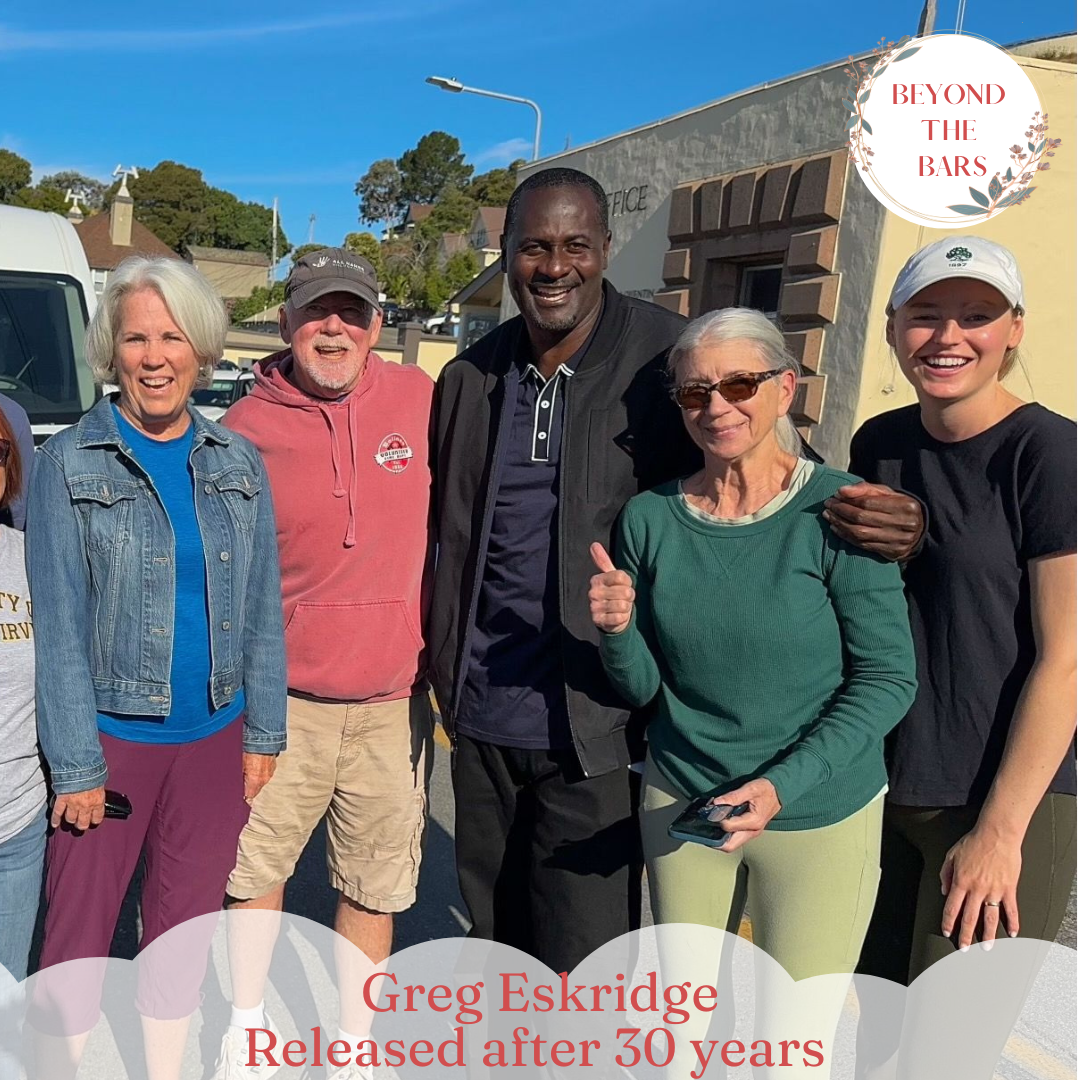
Beyond the Bars: Humanity Imprisoned
Introduction
Ever stopped to think about what happens *after* the cell door slams shut? We often focus on the crime, the punishment, the justice system’s gears grinding away. But what about the human beings caught in the middle? What happens to them, both during their incarceration and after they’re released back into the world? It’s a question that stretches far beyond the bars, impacting communities and shaping our society in ways we might not fully realize.
We’re talking about a hidden world, a world of lost potential, broken families, and a system that, more often than not, perpetuates a cycle of disadvantage. This isn’t just about prisons; it’s about humanity. It’s about the individuals who are, in effect, temporarily removed from society. It’s about the ripple effect this removal has on families, communities, and our collective well-being. It’s about understanding that incarceration isn’t just a punishment; it’s an event with profound short-term and long-term consequences.
The Immediate Impact: A Life on Hold
The immediate impact of incarceration is, understandably, devastating. The individual loses their freedom, their autonomy, and their connection to the outside world. But it goes deeper than that.
- Loss of Identity and Purpose: Prison can strip away an individual’s identity, reducing them to a number, a statistic. This loss of purpose can be incredibly damaging, leading to depression, anxiety, and a sense of hopelessness.
- Erosion of Social Skills: Prolonged isolation and interaction primarily within a confined environment can erode social skills, making it difficult to navigate the complexities of daily life upon release. Simple things like holding a conversation, managing finances, or even using public transportation can become daunting challenges.
- Damaged Relationships: The strain on family relationships is immense. Spouses, children, and parents often struggle to cope with the emotional and financial burden of incarceration. Visits can be infrequent and strained, and the absence of a loved one can have a profound impact on family dynamics.
Beyond the individual, families often face economic hardship. A primary breadwinner may be gone, leaving spouses to juggle work, childcare, and the emotional toll of having a loved one behind bars. Children, in particular, suffer, often experiencing feelings of shame, abandonment, and increased behavioral problems.
The Long-Term Echoes: A Cycle of Disadvantage
The long-term mahjong5000 consequences of incarceration extend far beyond the prison walls, creating a cycle of disadvantage that affects individuals, families, and communities for years to come.
- Employment Barriers: A criminal record can be a significant barrier to employment. Many employers are hesitant to hire individuals with a past conviction, making it difficult for them to secure stable jobs and support themselves and their families.
- Housing Instability: Finding suitable housing can be equally challenging. Landlords may be reluctant to rent to individuals with a criminal record, leaving them vulnerable to homelessness or unstable living situations.
- Social Stigma: The stigma associated with incarceration can be difficult to overcome. Individuals may face discrimination and prejudice in various aspects of their lives, from education and healthcare to social relationships.
- Increased Recidivism: The lack of opportunities and support upon release can increase the likelihood of re-offending. Without access to stable employment, housing, and social support, individuals may return to criminal activity as a means of survival.
This cycle of disadvantage perpetuates itself, trapping individuals and families in a system that is often difficult to escape. Communities with high rates of incarceration often face increased poverty, crime, and social instability.
Breaking the Cycle: Practical Solutions for a Brighter Future
The good news is that this cycle *can* be broken. By focusing on rehabilitation, support, and reintegration, we can create a more just and equitable system that benefits individuals, families, and communities. Here are some practical solutions:
- Investing in Education and Vocational Training:
- In-Prison Programs: Expand access to education and vocational training programs within correctional facilities. These programs can equip individuals with the skills and knowledge they need to secure employment upon release.
- Community College Partnerships: Partner with local community colleges to offer accredited courses and certifications to incarcerated individuals.
- Funding Initiatives: Advocate for increased funding for educational and vocational training programs in prisons and for re-entry services in the community.
Example: The Last Mile program teaches incarcerated individuals coding and software development skills, providing them with a valuable and in-demand skillset upon release.
- Addressing Employment Barriers:
- Ban the Box: Support “Ban the Box” initiatives that prohibit employers from asking about criminal history on initial job applications. This gives individuals a chance to be evaluated based on their qualifications and skills, rather than their past mistakes.
- Fair Chance Hiring: Encourage employers to adopt “Fair Chance Hiring” practices, which focus on skills and qualifications, rather than criminal history.
- Government Incentives: Advocate for government incentives, such as tax credits, for employers who hire individuals with criminal records.
Example: Greyston Bakery in New York City has an open-door hiring policy, meaning they hire anyone who walks through their doors, regardless of their background.
- Expanding Access to Housing:
- Second Chance Housing Programs: Support the development of “Second Chance Housing” programs that provide transitional housing and supportive services to individuals re-entering the community.
- Rental Assistance: Advocate for increased access to rental assistance programs for individuals with criminal records.
- Landlord Education: Educate landlords about the benefits of renting to individuals with a criminal record and dispel common misconceptions.
Example: The Fortune Society in New York City provides housing, healthcare, and other supportive services to formerly incarcerated individuals.
- Strengthening Family Support:
- Family Visitation Programs: Expand access to family visitation programs in prisons and correctional facilities. Maintaining strong family connections can provide crucial support during incarceration and upon release.
- Parenting Classes: Offer parenting classes and workshops to incarcerated parents to help them maintain relationships with their children and develop effective parenting skills.
- Community-Based Support Groups: Create community-based support groups for families of incarcerated individuals to provide emotional support and practical assistance.
Example: Defy Ventures supports incarcerated individuals with entrepreneurship training to help them become self-sufficient and provide for their families.
- Promoting Restorative Justice:
- Victim-Offender Mediation: Implement restorative justice programs that bring victims and offenders together to discuss the harm caused by the crime and develop a plan for repair.
- Community Reparations: Support community-based initiatives that address the root causes of crime and provide resources to communities affected by incarceration.
- Focus on Rehabilitation: Shift the focus of the criminal justice system from punishment to rehabilitation, emphasizing treatment, education, and skill-building.
Example: The Center for Justice & Reconciliation at Prison Fellowship International advocates for restorative justice practices worldwide.
A Call to Action: From Bars to Bridges
Breaking the cycle of disadvantage is not just the responsibility of the justice system; it’s a collective responsibility. We all have a role to play in creating a more just and equitable society where everyone has the opportunity to succeed.
Whether it’s volunteering at a local re-entry program, advocating for policy changes, or simply challenging our own biases and preconceptions, every action, no matter how small, can make a difference.
By understanding the long-term consequences of incarceration and embracing solutions that promote rehabilitation, support, and reintegration, we can transform the narrative from one of despair to one of hope. We can build bridges instead of bars, empowering individuals to rebuild their lives, support their families, and contribute to their communities.
Let’s move beyond the bars and focus on the humanity that lies within. Let’s unlock potential and build a future where everyone has a fair chance to thrive. The time to act is now.