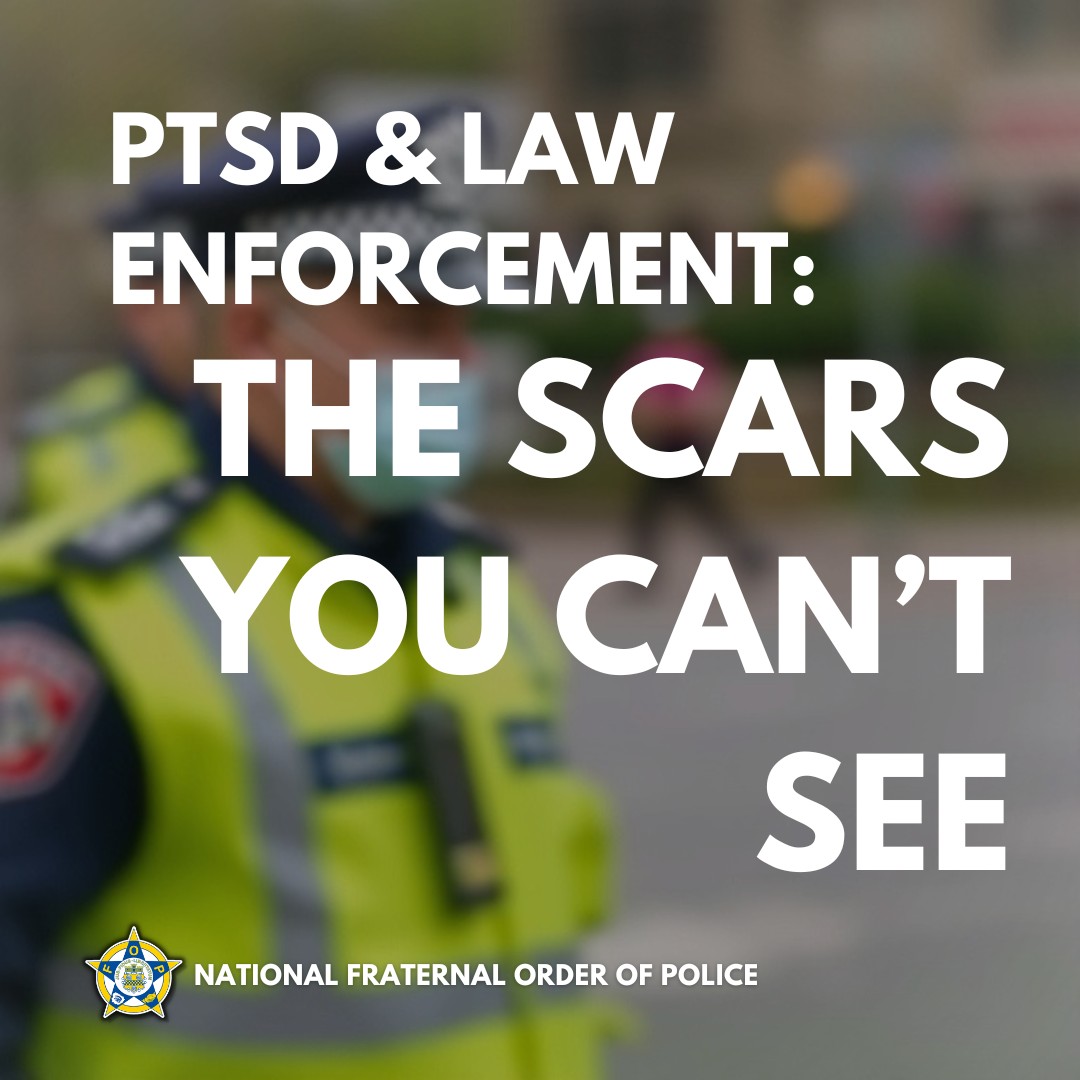
Behind the Badge: The Unseen Scars of Police Life
Introduction
We see them in our communities every day, driving patrol cars, directing traffic, and responding to emergencies. They are the officers sworn to protect and serve, figures of authority and reassurance. But behind the badge and uniform lies a reality often unseen, a world of emotional and psychological stress that can leave deep, lasting scars.
Imagine a day in the life of a police officer. One minute they’re helping a lost child find their parents, the next they’re facing down an armed suspect. They might witness a horrific accident, console a grieving family, or be subjected to verbal abuse. These experiences accumulate, creating a heavy burden that many carry in silence.
The Immediate Impact: A Daily Dose of Stress
The short-term impact of police work is often felt immediately after a traumatic event. Sleepless nights filled with replays of the scene, heightened anxiety, and a feeling of detachment are common. Imagine the officer who responds to a domestic violence call, separating a terrified victim from their abuser. They might carry the weight of that scene home with them, worrying about the victim’s safety and feeling the frustration of a system that can sometimes seem inadequate.
This constant exposure to stress can manifest in various ways:
- Burnout: Feeling emotionally and physically exhausted, leading to decreased performance and cynicism.
- Increased Irritability: Lashing out at loved ones or colleagues due to pent-up frustration and stress.
- Difficulty Sleeping: Nightmares, insomnia, and disrupted sleep patterns, hindering recovery and contributing to fatigue.
- Substance Abuse: Turning to alcohol or drugs to cope with the emotional toll, leading to addiction and further health problems.
These short-term effects, if left unaddressed, can quickly escalate into more serious, long-term issues.
Long-Term Consequences: When the Scars Deepen
The cumulative effect of years on the force can lead to profound psychological and emotional damage. The constant hypervigilance, the exposure to trauma, and the pressure to maintain a stoic facade can create deep-seated issues.
- Post-Traumatic Stress Disorder (PTSD): This is a significant risk for police officers, triggered by exposure to traumatic events. Symptoms can include flashbacks, nightmares, anxiety, and emotional numbness.
- Depression: The weight of the job can lead to feelings of hopelessness, sadness, and a loss of interest in activities previously enjoyed.
- Suicide: Sadly, the suicide rate among law enforcement officers is alarmingly high. The combination of stress, trauma, and lack of support can lead to despair and a feeling of being trapped.
- Relationship Problems: The emotional toll of the job can strain relationships with family and friends. Difficulty communicating, emotional detachment, and increased irritability can lead to conflict and isolation.
The long-term consequences are not just individual; they impact families, communities, and the entire law enforcement system. Burnout and mental health issues can affect an officer’s ability to perform their duties effectively, potentially leading to mistakes and compromising public safety.
Healing the Wounds: Practical Solutions and Approaches
Fortunately, the conversation around mental health in law enforcement is changing. There is a growing awareness of the need for support and resources. Here are some practical solutions and approaches that can make a real difference:
- Mandatory Wellness Programs: Implementing comprehensive wellness programs that include regular mental health check-ins, stress management training, and access to counseling services.
- Example: The Chicago Police Department has implemented a mandatory wellness program that includes annual mental health assessments and access to a peer support network.
- Peer Support Networks: Creating confidential peer support networks where officers can connect with colleagues who understand their experiences and offer support.
- Example: The Law Enforcement Peer Support Association (LEPSA) provides training and resources for agencies to establish and maintain effective peer support programs.
- Critical Incident Stress Management (CISM) Teams: Deploying CISM teams to provide immediate support and debriefing after traumatic events. These teams are trained to help officers process their emotions and prevent long-term psychological damage.
- Example: Many police departments have CISM teams that respond to critical incidents such as officer-involved shootings or mass casualty events.
- Training and Education: Incorporating mental health awareness training into police academy curricula and ongoing professional development programs. This training should focus on recognizing the signs of stress, developing coping mechanisms, and accessing resources.
- Example: The International Association of Chiefs of Police (IACP) offers training programs on officer safety and wellness, including modules on stress management and mental health.
- Encouraging Open Communication: Fostering a culture of open communication and support within law enforcement agencies. Leaders should encourage officers to seek help without fear of stigma or repercussions.
- Example: Some police chiefs have shared their own struggles with mental health to encourage officers to seek help and break down the stigma surrounding mental illness.
- Family Support Programs: Providing support and resources to the families of police officers, who also experience the stress and anxiety associated with the job.
- Example: The National Police Wives Association offers support and resources to spouses of law enforcement officers, helping them cope with the challenges of police life.
- Mindfulness and Meditation: Encouraging officers to practice mindfulness and meditation techniques to manage stress and improve emotional regulation.
- Example: Some police departments offer mindfulness training to officers as part of their wellness programs.
- Therapy and Counseling: Ensuring easy access to confidential therapy and counseling services for officers who are struggling with mental health issues.
- Example: Many Employee Assistance Programs (EAPs) offer confidential counseling services to law enforcement officers and their families.
Alternative Approaches:
- Animal Therapy: Interacting with therapy animals can reduce stress and anxiety.
- Outdoor Activities: Engaging in outdoor activities like hiking or fishing can promote relaxation and reduce stress.
- Creative Outlets: Expressing emotions through art, music, or writing can be a healthy coping mechanism.
Choosing the Right Approach:
The best approach will vary depending on the individual and the specific challenges they are facing. It’s important to experiment with different techniques and resources to find what works best. Remember, seeking help is a sign of strength, not weakness.
A Future of Support and Understanding
The unseen scars of police life are a serious issue, but they are not insurmountable. By implementing practical solutions, fostering open communication, and providing adequate support, we can help officers heal from their wounds and thrive both on and off the job.
Let’s work together to create a future where mental health is prioritized in law enforcement, where officers feel supported and valued, and where the unseen scars of police life are no longer a source of shame but a testament to their resilience and dedication. It’s time to shift the narrative from silent suffering to proactive support, ensuring that those who protect and serve are themselves protected and served by a system that values their well-being. The brave men and women behind the badge deserve nothing less.