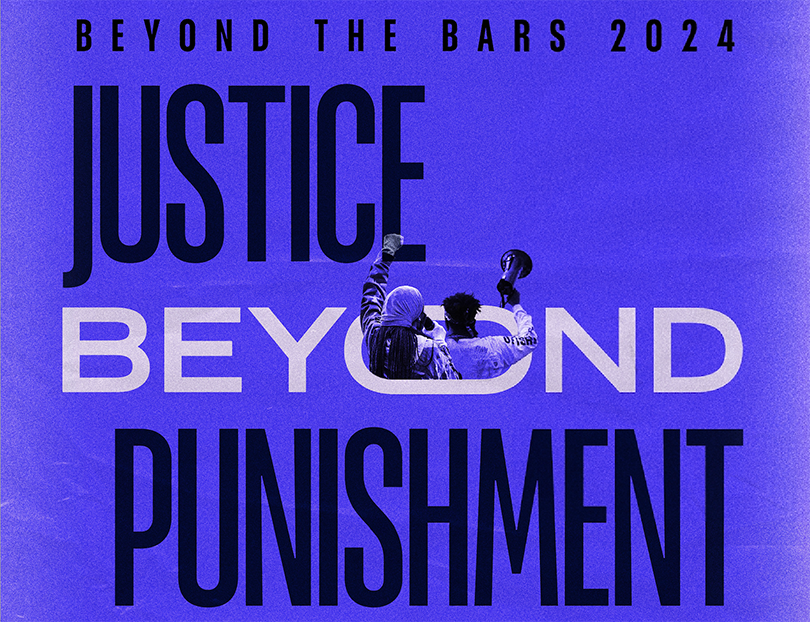
Beyond the Bars: Reimagining Justice
Introduction
Okay, let’s talk about something that affects all of us, whether we realize it or not: justice. Now, when you hear that word, what pops into your head? Courtrooms? Prison cells? Maybe those dramatic scenes from your favorite legal drama? While those images are part of the picture, the reality of justice – how it’s delivered, who it serves, and its impact on communities – is far more complex and, frankly, often deeply flawed.
We’re not just talking about whether someone is found guilty or innocent. We’re talking about the entire system, from the moment someone is accused of a crime to the years that follow, and the ripples it creates in their life, their family’s life, and society as a whole. So, buckle up. We’re diving into the heart of reimagining justice, and it’s going to be a thought-provoking ride.
The Weight of the Chain: Short-Term and Long-Term Impacts
Let’s face it, the current justice system, in many ways, is reactive rather than proactive. It often focuses on punishment after a crime has been committed, instead of addressing the root causes that led to it in the first place. This approach has both immediate and long-lasting consequences.
In the short term, we see overcrowded prisons, strained resources, and a revolving door for many offenders. Think about it: someone commits a crime, goes to jail, and then…what? Often, they are released back into the same environment that contributed to their initial offense, without the skills or support they need to break the cycle. The result? Recidivism, which translates to more victims, more strain on the system, and a perpetuation of the problem.
But the long-term effects are even more devastating. Consider the impact on families. When a parent is incarcerated, children are more likely to experience poverty, emotional distress, and involvement in the criminal justice system themselves. Communities become fractured, trust erodes, and the cycle of crime continues across generations. Furthermore, a criminal record can create immense barriers to employment, housing, and education, making it incredibly difficult for individuals to reintegrate into society and become productive members of the community. It’s a system that often punishes individuals far beyond their sentence, creating a lifetime of hardship.
Breaking Free: Practical Solutions for a New Era
So, how do we break free from this cycle and build a system that truly promotes justice, rehabilitation, and community safety? It’s not about being “soft on crime.” It’s about being smart on crime. It’s about investing in solutions that address the underlying issues and create lasting change.
Here are some practical, applicable, and easy-to-understand solutions we can explore:
- Investing in Prevention and Early Intervention Programs: This is where it all begins. Instead of waiting for a crime to happen, we need to invest in programs that address the root causes of crime, such as poverty, lack of education, substance abuse, and mental health issues.
- Example: Communities that have invested in early childhood education programs have seen significant reductions in crime rates in the long run. These programs provide children with the skills and support they need to succeed in school and in life, reducing their risk of involvement in the criminal justice system.
- Embracing Restorative Justice Practices: Restorative justice focuses on repairing the harm caused by crime and bringing together victims, offenders, and the community to find solutions. It emphasizes accountability, empathy, and healing.
- Example: In Oakland, California, the Restorative Justice for Oakland Youth (RJOY) program diverts young offenders away from the traditional court system and into restorative justice circles. This approach has been shown to reduce recidivism rates and improve relationships between youth and their communities.
- Reforming Sentencing and Bail Practices: The current system often disproportionately punishes minor offenses and keeps individuals in jail simply because they cannot afford bail. We need to reform sentencing laws to focus on rehabilitation and alternatives to incarceration, and eliminate cash bail systems that perpetuate inequality.
- Example: Several states, including New Jersey and California, have implemented bail reform measures that prioritize risk assessment over financial resources. These reforms have been shown to reduce jail populations and improve public safety.
- Providing Comprehensive Re-entry Support: Re-entry programs provide individuals returning from prison with the resources they need to successfully reintegrate into society, such as job training, housing assistance, and mental health services.
- Example: The Center for Employment Opportunities (CEO) provides immediate job placement, skills training, and ongoing support to individuals returning from prison. Studies have shown that CEO’s program significantly reduces recidivism rates and improves employment outcomes.
- Promoting Police Reform and Community Policing: Building trust between law enforcement and the communities they serve is essential for creating a safe and just society. This requires police reform, training on de-escalation techniques, and community policing strategies that prioritize collaboration and problem-solving.
- Example: The city of Camden, New Jersey, transformed its police department by implementing community policing strategies that focus on building relationships with residents and addressing the root causes of crime. This approach has led to a significant reduction in crime rates and improved trust between the police and the community.
Your Path Forward: Choosing the Right Approach
The beauty of reimagining justice is that there’s no one-size-fits-all solution. The most effective approach will depend on the specific needs and challenges of your community. Here are some alternative approaches to consider:
- Community-Based Organizations: Support and partner with local organizations that are already working to address the root causes of crime and provide support to individuals impacted by the justice system.
- Advocacy and Policy Change: Advocate for policy changes at the local, state, and federal levels that promote prevention, rehabilitation, and restorative justice.
- Education and Awareness: Educate yourself and others about the issues facing the justice system and the potential solutions. Share information, start conversations, and raise awareness about the need for change.
- Volunteerism and Mentorship: Volunteer your time to mentor young people, provide support to individuals returning from prison, or assist organizations that are working to address the root causes of crime.
A Brighter Horizon: Taking Action Together
Reimagining justice is not a simple task. It requires a fundamental shift in our thinking, our policies, and our priorities. But it’s a necessary task, one that will ultimately create a safer, more just, and more equitable society for all.
The challenges are real, but so is the potential for positive change. Every action, no matter how small, contributes to a larger movement. By getting involved, advocating for change, and supporting innovative solutions, we can move beyond the bars and create a future where justice truly serves everyone. Don’t let the scale of the problem overwhelm you. Start with one step. Educate yourself. Volunteer your time. Support organizations that are making a difference. Your actions matter, and together, we can build a brighter horizon.