 <
<
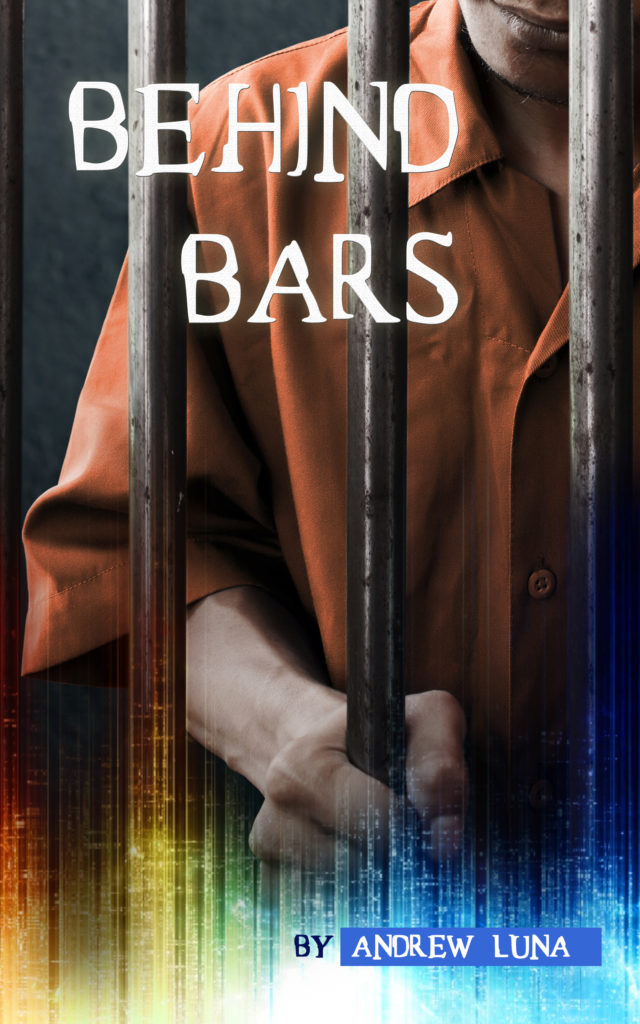
Behind Bars: A World Unseen
<
Introduction
Ever wondered what life is really like behind those imposing walls? We see prisons in movies, fleeting news reports, and maybe even the occasional true-crime documentary. But the reality is a complex tapestry woven with threads of isolation, struggle, and, believe it or not, the faintest glimmer of hope. “Behind Bars: A World Unseen” isn’t about glorifying crime or demonizing criminals. It’s about understanding the hidden impacts of incarceration – both short-term and long-term – and exploring how we can build a system that prioritizes rehabilitation and safer communities for everyone.
<
Explanation of the Problem
Imagine being abruptly ripped from your life, stripped of your identity, and confined to a space where every moment is regimented. That’s the immediate shock of incarceration. The short-term impacts are brutal. Individuals face:
- Loss of Freedom and Autonomy: The constant surveillance, restricted movement, and lack of personal choice can be psychologically devastating. Studies show a direct correlation between this lack of control and increased anxiety and depression.
- Severed Relationships: Families are torn apart. Spouses struggle to maintain connections, children grow up without a parent present, and social support networks crumble. This familial strain often leads to economic hardship and increased vulnerability for those left behind.
- Increased Vulnerability to Violence and Exploitation: Prisons, unfortunately, can be breeding grounds for violence. Inmates, especially those new to the system, are susceptible to physical and sexual assault, intimidation, and exploitation by more dominant individuals.
- Mental Health Crisis: The pre-existing mental health issues are often exacerbated by the harsh realities of prison life. Suicide rates are significantly higher in correctional facilities than in the general population.
But the long-term consequences are even more far-reaching, extending beyond the individual inmate and rippling through society. Consider these lasting impacts:
- Difficulty Reintegrating into Society: The stigma of a criminal record makes finding employment, housing, and even basic services like healthcare incredibly difficult. This often leads to recidivism, perpetuating a cycle of crime and incarceration.
- Reduced Economic Opportunities: A criminal record significantly lowers lifetime earning potential. This not only harms the individual and their family but also reduces tax revenue and increases the burden on social welfare programs.
- Intergenerational Trauma: Children of incarcerated parents are more likely to experience emotional and behavioral problems, struggle in school, and become involved in the criminal justice system themselves. This cycle of disadvantage can span generations.
- Strain on Communities: High incarceration rates, particularly in marginalized communities, deplete social capital, erode trust in institutions, and contribute to a sense of hopelessness and instability.
<
Solutions
So, what can we do? The good news is, there are practical solutions that can make a real difference. It’s not about letting criminals off the hook; it’s about creating a system that addresses the root causes of crime, promotes rehabilitation, and ultimately creates safer, more thriving communities.
- Investing in Early Intervention and Prevention Programs:
- The Idea: Focus on addressing the social and economic factors that contribute to crime, such as poverty, lack of education, and inadequate healthcare.
- How it Works: Implement programs that provide early childhood education, mentoring, job training, and mental health services to at-risk youth and families.
- Example: The Nurse-Family Partnership, a program that provides home visits by nurses to low-income, first-time mothers, has been shown to reduce rates of child abuse, neglect, and later criminal behavior.
- Reforming Sentencing and Parole Policies:
- The Idea: Reduce reliance on lengthy prison sentences for non-violent offenses and prioritize alternatives to incarceration.
- How it Works: Implement sentencing guidelines that consider individual circumstances, expand access to drug treatment and mental health programs, and reform parole policies to make it easier for inmates to successfully re-enter society.
- Example: Several states have implemented “second chance” laws that allow individuals with criminal records to petition for expungement or sealing of their records, making it easier for them to find employment and housing.
- Improving Prison Conditions and Rehabilitation Programs:
- The Idea: Transform prisons from warehouses of punishment into centers of rehabilitation.
- How it Works: Improve prison conditions by addressing overcrowding, violence, and lack of access to healthcare. Implement evidence-based rehabilitation programs that focus on education, job training, substance abuse treatment, and cognitive behavioral therapy.
- Example: The “Inside-Out Prison Exchange Program” brings college students and incarcerated individuals together to learn from each other and challenge common misconceptions about crime and punishment.
- Supporting Re-Entry Initiatives:
- The Idea: Provide comprehensive support to individuals transitioning from prison back into the community.
- How it Works: Offer assistance with housing, employment, healthcare, and other essential services. Connect individuals with mentors and support groups that can provide guidance and encouragement.
- Example: The “Defy Ventures” program provides entrepreneurship training and mentorship to formerly incarcerated individuals, helping them start their own businesses and become productive members of society.
- Addressing Systemic Biases:
- The Idea: Examine and address racial and socioeconomic disparities in the criminal justice system.
- How it Works: Implement policies that promote fair and equitable treatment for all individuals, regardless of race, ethnicity, or socioeconomic status. Invest in community-based organizations that are working to address the root causes of crime in marginalized communities.
- Example: Police departments that implement implicit bias training and community policing strategies have been shown to reduce racial profiling and improve relationships with the communities they serve.
These solutions aren’t silver bullets, but they represent a multifaceted approach to tackling a complex problem. It requires a shift in perspective, from simply punishing offenders to investing in rehabilitation and creating a more just and equitable society.
The challenge is significant, but the potential rewards are immense. Imagine a world where fewer people are incarcerated, where communities are safer and more prosperous, and where individuals have a genuine opportunity to turn their lives around. It’s not just a pipe dream; it’s a future we can build together.
Taking action doesn’t require sweeping reforms overnight. Start small:
- Educate yourself: Learn more about the issues surrounding incarceration and its impact on individuals and communities.
- Support organizations: Donate to or volunteer with organizations that are working to reform the criminal justice system and provide support to formerly incarcerated individuals.
- Advocate for change: Contact your elected officials and urge them to support policies that promote rehabilitation and reduce incarceration.
- Challenge stereotypes: Speak out against negative stereotypes about people with criminal records and promote a more nuanced understanding of the issue.
- Offer a second chance: Consider hiring or mentoring a formerly incarcerated individual. Your support can make a life-changing difference.
<
Conclusion
“Behind Bars: A World Unseen” doesn’t have to remain unseen. By understanding the profound impacts of incarceration and embracing innovative solutions, we can create a system that is truly focused on justice, rehabilitation, and safer communities for all. Let’s work together to build that future, one step at a time. The time for change is now.