Justice:Blindfolded or Shackled?
Introduction
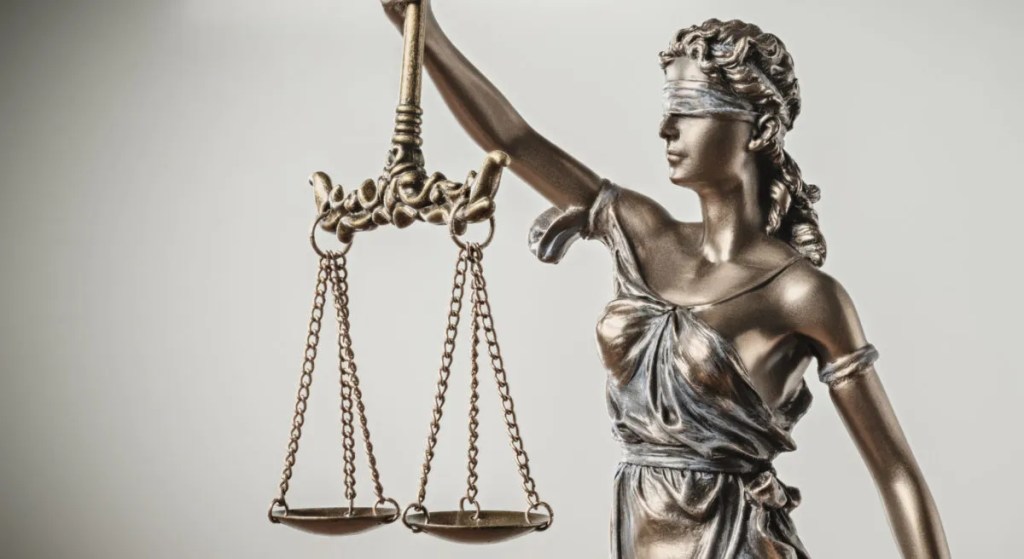
We all know Lady Justice, right? The iconic figure blindfolded, holding scales in one hand and a sword in the other. The blindfold symbolizes impartiality – justice shouldn’t be swayed by appearances, wealth, or status. But what happens when that blindfold, intended to ensure fairness, becomes a shackle that hinders the pursuit of truth? What happens when the scales are tipped, not by malice, but by systemic flaws, unconscious biases, and outdated practices?
That’s the uncomfortable question we’re grappling with today. Are we truly achieving justice, or are we merely perpetuating a system that, despite its noble intentions, is failing too many?
The Short-Term Pain: Cases Slipping Through the Cracks
Think about it. Every day, injustices occur. Someone is wrongly accused, a victim is denied closure, a corporation gets away with polluting a community. These are the immediate, tangible consequences of a system that isn’t working as well as it should.
Take the case of wrongful convictions, for example. Thanks to advancements in DNA technology, numerous individuals have been exonerated after years, even decades, behind bars. These stories, while often celebrated, are a stark reminder of how easily the system can fail. Families are shattered, lives are irreparably damaged, and the real perpetrators remain free. The short-term impact is devastating, rippling through communities and eroding trust in the institutions designed to protect them.
Similarly, consider the challenges faced by marginalized communities navigating the legal system. Language barriers, lack of access to legal representation, and unconscious bias within the courts can create significant disadvantages. This translates to disproportionate sentencing, unequal access to justice, and a feeling that the system is stacked against them.
The Long-Term Shadow: Eroding Trust and Stability
While the immediate consequences of injustice are heartbreaking, the long-term ramifications are arguably even more concerning. When people lose faith in the justice system, the very foundation of a stable and equitable society begins to crumble.
Think about it. If people believe that the law is applied unfairly, they are less likely to abide by it. This can lead to increased crime, social unrest, and a general breakdown of order. Moreover, a perceived lack of justice can fuel resentment and division, exacerbating existing social inequalities.
On a broader scale, a flawed justice system can hinder economic development and innovation. When businesses fear corruption or unfair treatment, they are less likely to invest and create jobs. Similarly, individuals who feel that their rights are not protected may be less willing to take risks and pursue their dreams.
The long-term impact is clear: a justice system that fails to deliver fair and equitable outcomes undermines social cohesion, economic prosperity, and the very fabric of our society.
Unshackling Justice: Practical Solutions for a Fairer Future
So, what can we do to unshackle justice and ensure that the blindfold serves its intended purpose – impartiality – rather than becoming a barrier to truth? The answer lies in a multi-faceted approach that addresses systemic flaws, promotes transparency, and empowers individuals.
Here are a few practical solutions:
- Investing in Legal Aid and Public Defenders: Access to quality legal representation is crucial for ensuring a fair trial. By adequately funding legal aid organizations and public defender offices, we can level the playing field and ensure that everyone, regardless of their income or background, has a fighting chance.
- Example: The Gideon v. Wainwright Supreme Court case established the right to legal counsel for indigent defendants in felony cases. However, the reality is that public defenders are often overburdened and under-resourced, limiting their ability to provide effective representation. Increased funding would allow them to handle fewer cases, conduct more thorough investigations, and provide better support to their clients.
- Combating Implicit Bias in the Justice System: Unconscious biases can influence decision-making at every stage of the legal process, from policing and prosecution to jury selection and sentencing. Implementing bias awareness training for law enforcement officers, judges, and other court personnel can help mitigate these biases and promote more equitable outcomes.
- Example: Studies have shown that blind auditions in orchestras have led to a significant increase in the number of female musicians being hired. Applying a similar principle to the justice system, such as blind review of police reports or witness testimonies, could help reduce the influence of unconscious bias.
- Promoting Transparency and Accountability: Openness and transparency are essential for building trust in the justice system. Making court records more accessible to the public, requiring body cameras for law enforcement officers, and establishing independent oversight bodies can help ensure accountability and prevent abuse of power.
- Example: The Freedom of Information Act (FOIA) allows citizens to request access to government documents. Strengthening FOIA laws and ensuring that government agencies comply with them can help shed light on potential wrongdoing and promote transparency.
- Reforming Sentencing Guidelines: Many sentencing guidelines are outdated and disproportionately punish certain types of offenses. Reforming these guidelines to focus on rehabilitation and individualized justice can help reduce recidivism and create a more equitable system.
- Example: Drug courts, which offer treatment and rehabilitation programs instead of incarceration for non-violent drug offenders, have been shown to be more effective at reducing recidivism than traditional sentencing approaches.
- Empowering Communities through Education and Advocacy: Ultimately, creating a fairer justice system requires the active participation of informed and engaged citizens. By educating communities about their rights, promoting civic engagement, and supporting organizations that advocate for justice reform, we can empower individuals to hold the system accountable and demand change.
- Example: The Innocence Project is a non-profit organization that works to exonerate wrongly convicted individuals through DNA testing and reform the criminal justice system to prevent future injustice. Supporting organizations like the Innocence Project can help amplify their impact and create lasting change.
The solutions outlined above are just a starting point. Depending on the specific challenges faced by a particular community or jurisdiction, alternative approaches may be more appropriate.
For example, restorative justice programs, which focus on repairing harm and building relationships between victims and offenders, can be a valuable alternative to traditional adversarial proceedings. Similarly, community policing initiatives, which foster collaboration between law enforcement and the communities they serve, can help reduce crime and improve trust.
The key is to be flexible, innovative, and willing to experiment with different approaches in order to find what works best.
A Call to Action: Let’s Unshackle Justice Together
The journey towards a truly just and equitable society is a long and challenging one. But it’s a journey worth taking. By acknowledging the flaws in our current system, embracing practical solutions, and empowering individuals to demand change, we can unshackle justice and create a brighter future for all.
Don’t be discouraged by the enormity of the task. Every small step you take – whether it’s educating yourself about the issues, supporting organizations that advocate for justice reform, or simply engaging in conversations with your friends and neighbors – contributes to the collective effort.
The pursuit of justice is not a passive endeavor. It requires active participation, unwavering commitment, and a belief that a better world is possible. Let’s work together to ensure that Lady Justice’s blindfold truly symbolizes impartiality, not a barrier to truth. Let’s unshackle justice and create a system that is fair, equitable, and serves the needs of all members of society. The time for action is now.