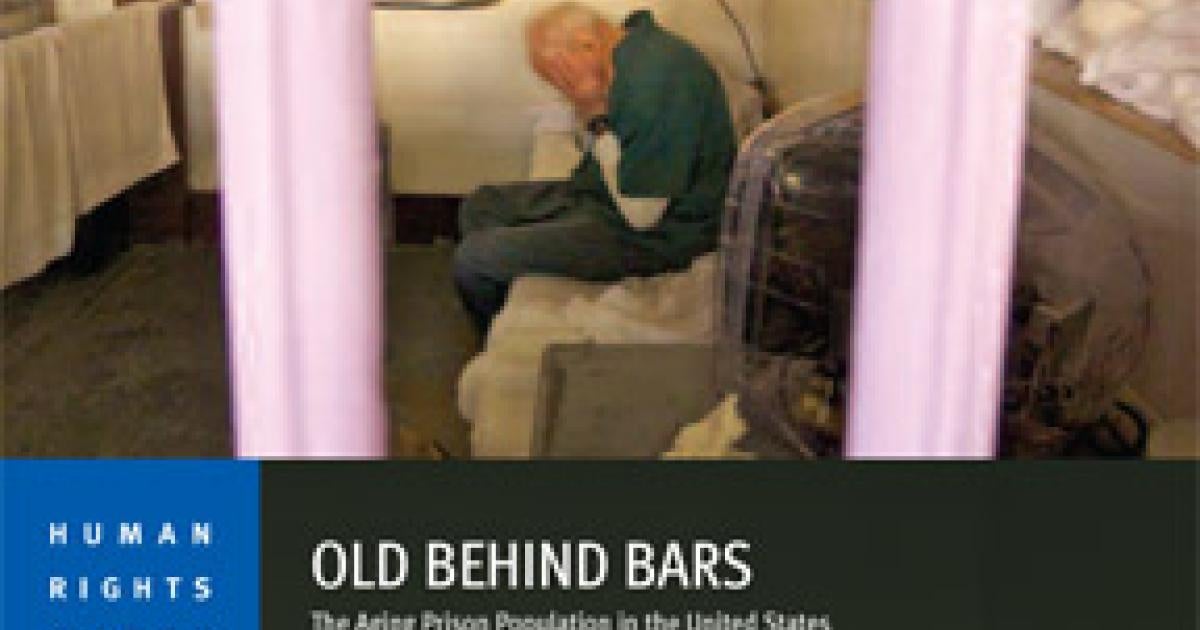
Beyond the Bars: What Prison Steals
Introduction
Imagine a life abruptly halted. A career put on hold, relationships strained, and a future suddenly cloaked in uncertainty. This is the reality for millions impacted by incarceration, and the ripple effects extend far beyond the prison walls. We often think of prison as a place of punishment, and rightly so. But it’s crucial to look deeper and understand what prison *steals* – not just from the incarcerated individual, but from families, communities, and society as a whole.
The Immediate Impact: A World Turned Upside Down
The initial shock of incarceration sets off a chain reaction. For the individual, the loss of freedom is just the tip of the iceberg. Consider the immediate loss of income. Suddenly, the ability to provide for loved ones vanishes. This can plunge families into financial distress, forcing difficult decisions about housing, food, and healthcare.
Think about Maria, a single mother working two jobs before her arrest for a non-violent drug offense. Her incarceration meant her children were placed in foster care, her apartment was lost, and her dreams of a better life for her family seemed to crumble overnight. This scenario is sadly common. The Prison Policy Initiative estimates that families struggle to afford basic needs at five times the rate of non-incarcerated families.
Beyond finances, the emotional toll is immense. Relationships with spouses, children, and parents suffer under the weight of separation. Phone calls are expensive and infrequent. Visits are often logistically challenging and emotionally draining. Children, in particular, experience significant trauma, leading to behavioral problems, anxiety, and depression. Studies have shown that children with incarcerated parents are more likely to experience academic difficulties and involvement in the juvenile justice system themselves, perpetuating a cycle of disadvantage.
The Long Shadow: Lasting Consequences of Incarceration
The impact of incarceration doesn’t end with release. The long-term consequences can be devastating and far-reaching. Former inmates face significant barriers to reintegration, often struggling with:
- Employment: A criminal record is a major obstacle to finding a job. Many employers are hesitant to hire individuals with a history of incarceration, regardless of their skills or experience. This leads to unemployment, underemployment, and reliance on public assistance.
- Housing: Finding stable housing is another significant challenge. Landlords often deny rental applications based on criminal records, leaving formerly incarcerated individuals vulnerable to homelessness.
- Education: Incarceration disrupts educational opportunities. Completing a degree or vocational training becomes significantly more difficult, limiting future career prospects.
- Social Stigma: The stigma associated with incarceration can lead to social isolation and discrimination. Former inmates may face rejection from friends, family, and community members, making it difficult to rebuild their lives.
The result is often a vicious cycle. Lacking opportunities and facing constant barriers, formerly incarcerated individuals may be more likely to re-offend, perpetuating the cycle of incarceration. This not only harms individuals but also weakens communities, contributing to increased crime rates and reduced economic prosperity.
Breaking the Cycle: Practical Solutions for a Brighter Future
The challenges are significant, but not insurmountable. We can and must do more to address the root causes of incarceration and support successful reintegration. Here are some practical solutions that can make a real difference:
- Invest in Prevention and Early Intervention: The best way to reduce incarceration is to prevent crime from happening in the first place. This means investing in education, job training, mental health services, and substance abuse treatment. Programs like Communities That Care (CTC) demonstrate the power of early intervention in preventing delinquent behavior and substance abuse among young people.
- Reform Sentencing and Drug Laws: Harsh sentencing laws, particularly for non-violent drug offenses, have contributed significantly to mass incarceration. Reforming these laws to prioritize treatment and rehabilitation over punishment can reduce the prison population and save taxpayer dollars. States like California, which have implemented drug policy reforms such as Proposition 47, have seen reductions in their prison populations without an increase in crime rates.
- “Ban the Box” and Fair Chance Hiring: “Ban the box” initiatives, which remove the question about criminal history from initial job applications, give formerly incarcerated individuals a fair chance to compete for jobs based on their qualifications. Companies like Starbucks and Greyston Bakery have demonstrated that hiring formerly incarcerated individuals can be good for business and good for the community.
- Expand Access to Housing and Supportive Services: Providing access to affordable housing, job training, and mental health services is crucial for successful reintegration. Programs like the Housing First model, which prioritizes providing stable housing before addressing other issues, have been shown to be highly effective in reducing homelessness among formerly incarcerated individuals.
- Support Re-entry Programs: Comprehensive re-entry programs that provide individualized support and case management can significantly improve outcomes for formerly incarcerated individuals. These programs can help with job searching, housing, education, and connecting to community resources. Organizations like Defy Ventures, which offers entrepreneurial training to formerly incarcerated individuals, demonstrate the potential for creating opportunities and fostering economic self-sufficiency.
- Promote Restorative Justice: Restorative justice practices, which focus on repairing harm and building relationships between offenders and victims, can be a powerful alternative to traditional punishment. These practices can help offenders take responsibility for their actions, make amends to victims, and reintegrate into the community.
A Future Beyond the Bars
The challenges are complex, but the potential for positive change is immense. By investing in prevention, reforming sentencing laws, removing barriers to reintegration, and supporting comprehensive re-entry programs, we can break the cycle of incarceration and create a more just and equitable society.
It won’t be easy, and it requires a collective effort from individuals, communities, and policymakers. But the rewards are worth it: safer communities, stronger families, and a society where everyone has the opportunity to reach their full potential. The journey beyond the bars is a journey towards a brighter, more inclusive future for all. Don’t let prison steal any more than it already has. Get involved. Advocate for change. Be a part of the solution.