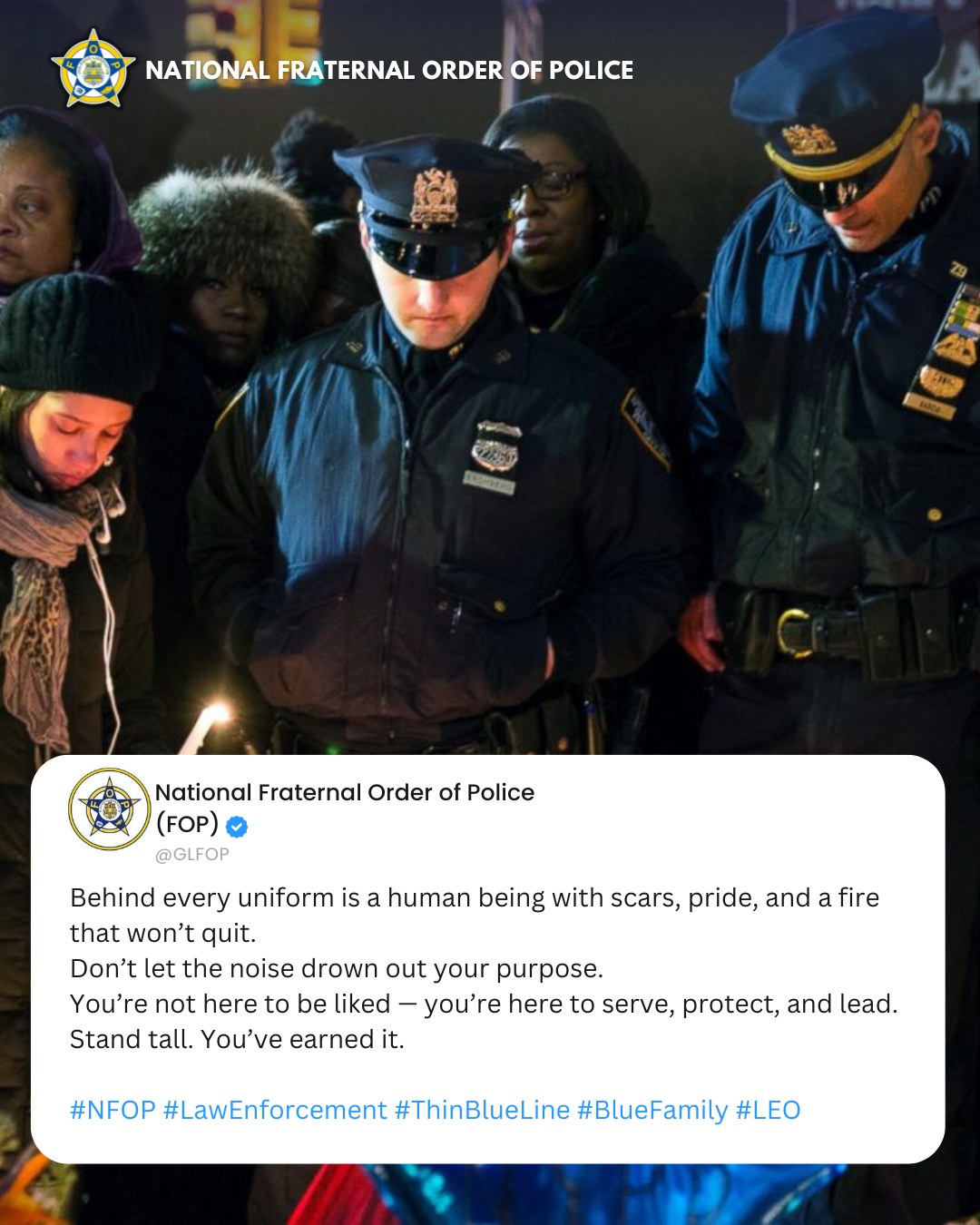
Behind the Badge: Scars You Don’t See
Introduction
We see them every day. Standing tall in their uniforms, badges gleaming, guardians of our safety and peace. Police officers, paramedics, firefighters – the first responders who rush towards danger when everyone else is running away. We applaud their bravery, rely on their expertise, and trust them with our lives. But what about the silent battles they fight long after the sirens fade? What about the scars you don’t see?
It’s easy to forget that behind the uniform, there’s a human being. A person with emotions, families, and vulnerabilities. These individuals are constantly exposed to trauma, violence, and human suffering that most of us can only imagine. They witness the worst of humanity, day in and day out, and carry the weight of those experiences long after their shift ends. This constant exposure leaves invisible wounds, scars that can have a profound and lasting impact on their mental and emotional well-being.
The Immediate Impact: The Price of Heroism
In the immediate aftermath of a traumatic event, first responders often experience a surge of adrenaline, a natural response that helps them cope and perform their duties. However, once the crisis is over, the adrenaline wears off, and the reality of what they’ve witnessed can hit hard. This can manifest as:
- Intrusive Thoughts & Nightmares: Reliving the event repeatedly, even when they don’t want to.
- Hypervigilance: Feeling constantly on edge, always scanning their surroundings for potential threats.
- Emotional Numbness: Difficulty experiencing emotions, feeling detached or disconnected from others.
- Sleep Disturbances: Insomnia or restless sleep due to the stress and trauma.
- Increased Anxiety & Irritability: Feeling easily agitated or overwhelmed.
These short-term effects are often dismissed as “part of the job.” First responders may feel pressure to be strong and suppress their emotions, fearing judgment or ridicule from colleagues. But neglecting these initial symptoms can pave the way for more serious, long-term problems.
The Long Shadow: When Trauma Lingers
Unresolved trauma can lead to a range of chronic mental health issues, significantly impacting the lives of first responders and their families. Some of the most common long-term effects include:
- Post-Traumatic Stress Disorder (PTSD): A debilitating condition characterized by persistent flashbacks, nightmares, avoidance behaviors, and hyperarousal. Studies show that first responders have significantly higher rates of PTSD compared to the general population.
- Depression & Anxiety Disorders: Chronic stress and trauma can deplete the brain’s natural coping mechanisms, leading to persistent feelings of sadness, hopelessness, and anxiety.
- Substance Abuse: Some first responders turn to alcohol or drugs to cope with the emotional pain and numb the memories. This can lead to addiction and further exacerbate their mental health problems.
- Burnout: A state of emotional, physical, and mental exhaustion caused by prolonged or excessive stress. Burnout can lead to decreased job performance, cynicism, and detachment.
- Relationship Problems: The emotional toll of the job can strain relationships with family and friends. First responders may become withdrawn, irritable, or emotionally unavailable, leading to conflict and isolation.
- Increased Risk of Suicide: Tragically, suicide rates among first responders are significantly higher than in other professions. The combination of trauma, stress, and lack of support can lead to feelings of hopelessness and despair.
Breaking the Cycle: Practical Solutions for Healing
The good news is that there are effective strategies and resources available to help first responders heal from these unseen scars. The key is to create a culture of support, prioritize mental health, and encourage individuals to seek help when they need it.
Here are some practical solutions:
- Early Intervention Programs:
- Critical Incident Stress Debriefing (CISD): Structured group discussions led by trained professionals in the aftermath of a traumatic event. CISD provides a safe space for first responders to process their emotions, share their experiences, and receive support from their peers. Example: A fire department implements CISD after responding to a fatal house fire, helping firefighters process the emotional impact and prevent long-term trauma.
- Peer Support Programs: Training select officers or first responders to act as mental health support for their peers. These peers can provide a non-judgmental space for conversations and can help the officers seek resources to improve their mental health.
- Promote Mental Health Awareness & Education:
- Training Programs: Provide regular training on stress management, resilience-building, and mental health awareness. Help first responders recognize the signs and symptoms of PTSD, depression, and other mental health conditions.
- Reduce Stigma: Actively combat the stigma surrounding mental health in the first responder community. Encourage open communication, normalize seeking help, and create a culture of understanding and support. Example: A police department launches a campaign featuring officers sharing their personal experiences with mental health challenges, encouraging others to seek help without shame.
- Ensure Access to Mental Healthcare:
- Employee Assistance Programs (EAPs): Offer confidential counseling and support services to first responders and their families.
- Mental Health Professionals: Partner with therapists and psychologists who specialize in working with first responders and understand the unique challenges they face.
- Telehealth Options: Provide convenient and accessible mental healthcare through online therapy platforms.
- Insurance Coverage: Ensure that mental healthcare is adequately covered by insurance plans.
- Cultivate Resilience & Self-Care:
- Mindfulness Practices: Encourage first responders to engage in mindfulness exercises, such as meditation or deep breathing, to reduce stress and improve emotional regulation.
- Physical Activity: Promote regular exercise, which has been shown to have significant benefits for mental health.
- Healthy Lifestyle: Encourage a balanced diet, adequate sleep, and avoiding excessive alcohol or drug use.
- Hobbies & Interests: Encourage first responders to pursue hobbies and interests outside of work to help them relax, recharge, and maintain a sense of identity.
- Leadership Support & Role Modeling:
- Leading by Example: Leaders must prioritize their own mental health and demonstrate vulnerability by seeking help when they need it.
- Creating a Supportive Environment: Foster a culture of open communication, empathy, and respect.
- Promoting Work-Life Balance: Encourage first responders to take time off, spend time with family, and pursue personal interests.
- Recognizing & Rewarding Resilience: Acknowledge and celebrate first responders who demonstrate resilience and seek help when needed.
A Path Forward: Hope and Healing
The scars you don’t see are real, and they can have a devastating impact on the lives of first responders. But with awareness, understanding, and a commitment to change, we can break the cycle of silence and create a culture of support that allows these heroes to heal.
It won’t be easy. It requires a shift in mindset, a willingness to challenge ingrained beliefs, and a commitment to investing in the mental health of those who dedicate their lives to protecting us. But the rewards are immeasurable: healthier, more resilient first responders, stronger families, and safer communities.
Let’s start the conversation. Let’s create a world where it’s okay for first responders to say, “I need help.” Let’s ensure that they have access to the resources they need to heal and thrive. Because behind every badge, there’s a human being who deserves our support, our compassion, and our unwavering commitment to their well-being.
The path to healing is not linear, and there will be challenges along the way. But with each step we take – each conversation we have, each resource we provide, each stigma we break – we move closer to a future where first responders receive the mental health support they need and deserve. Remember, acknowledging the scars you don’t see is the first step towards healing them. Take that step today.