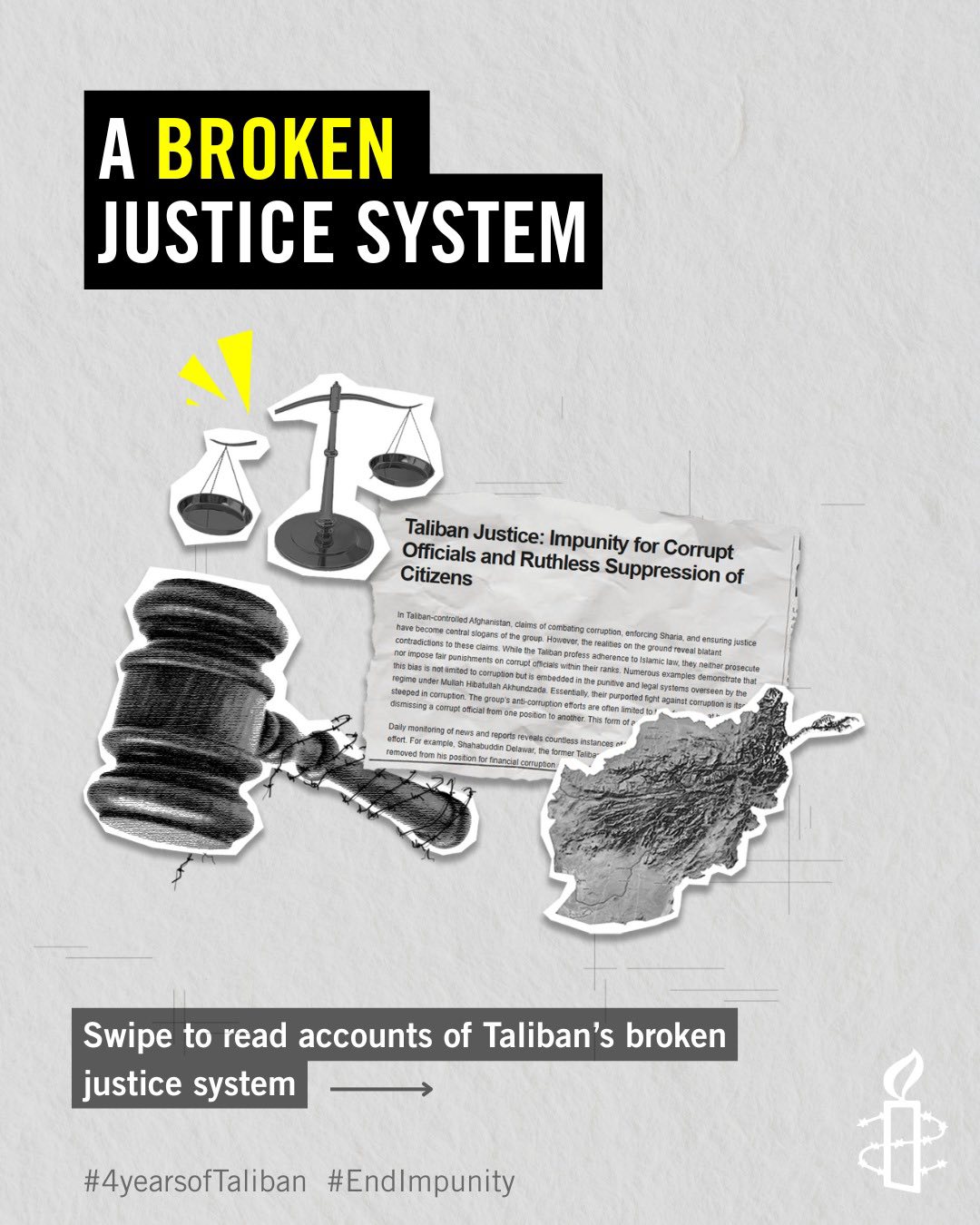
Justice: A Broken System or Our Last Hope?
Introduction
We’ve all seen it, haven’t we? Headlines screaming about wrongful convictions, stories of blatant inequality in sentencing, and a general feeling that Lady Justice isn’t always blindfolded. It’s easy to get cynical. To throw our hands up and declare the whole system broken. But is it truly beyond repair? Or is justice, in all its imperfect glory, still our best, last hope for a fair and equitable society?
The truth, as always, is somewhere in the messy middle. Let’s be honest, the justice system, in many places, is facing a crisis of confidence. From overcrowded prisons and underfunded public defenders to systemic biases that disproportionately impact marginalized communities, the cracks are visible. But to simply label it “broken” is to overlook the dedicated individuals working within the system – the judges striving for fairness, the lawyers fighting for their clients, and the reformers pushing for change.
So, what’s really going on? Why does it feel so broken?
The Short-Term Sting: The Immediate Impacts
The immediate impact of a struggling justice system is, well, immediate. Imagine being wrongly accused of a crime. The financial burden of legal defense, the emotional toll on you and your family, the potential loss of your job and reputation – these are devastating consequences felt right now. Think about victims of crime who are retraumatized by lengthy court proceedings and feel abandoned by a system meant to protect them. These are the sharp, painful realities that erode trust in the ability of justice to deliver.
Then there’s the impact on public safety. When communities don’t trust law enforcement or the courts, cooperation dwindles. Crime rates can rise, and a cycle of distrust and violence takes hold. This isn’t just a theoretical problem; we see it playing out in communities across the globe, where fear and suspicion overshadow hope and progress.
The Long-Term Shadow: The Enduring Consequences
The long-term implications are even more insidious. A justice system perceived as unfair undermines the very foundations of a democratic society. When people lose faith in the fairness and impartiality of the law, they lose faith in the entire system of governance. This can lead to social unrest, political instability, and a slow, corrosive decay of civic engagement.
Consider the economic impact. High incarceration rates drain public resources that could be invested in education, healthcare, and infrastructure. Moreover, the stigma associated with a criminal record makes it incredibly difficult for formerly incarcerated individuals to reintegrate into society, leading to lost productivity and increased rates of recidivism (returning to criminal behavior).
Furthermore, the perpetuation of systemic biases creates deep-seated inequalities that ripple through generations. Children growing up in communities disproportionately targeted by law enforcement can internalize a sense of hopelessness and injustice, perpetuating a cycle of disadvantage. This isn’t just about individual cases; it’s about the very fabric of our society.
So, What Can We Do? Practical Solutions for a More Just Future
Okay, enough doom and gloom. Let’s talk about solutions. The good news is that fixing the system doesn’t require some magical, overnight transformation. It requires a multi-pronged approach, a willingness to confront uncomfortable truths, and a commitment from all stakeholders – from lawmakers and law enforcement to community leaders and individual citizens.
Here are a few practical avenues we can explore:
- Invest in Prevention and Rehabilitation: Instead of solely focusing on punishment, let’s prioritize prevention and rehabilitation. This means investing in early childhood education, mental health services, and job training programs. Consider the “Cure Violence” model, which uses a public health approach to address violence by identifying and treating those most at risk. Studies have shown it to be effective in reducing violence in some of the most challenging communities.
- Reform Sentencing and Bail Practices: Mandatory minimum sentences and cash bail systems disproportionately impact low-income individuals and people of color. We need to explore alternatives like risk assessment tools and restorative justice practices. For example, in some jurisdictions, restorative justice programs bring victims and offenders together to discuss the harm caused by the crime and work towards a mutually agreeable solution. This can lead to higher rates of victim satisfaction and reduced recidivism among offenders.
- Increase Transparency and Accountability: Holding law enforcement accountable for misconduct is crucial for building trust. This includes body cameras, independent oversight boards, and robust data collection on police stops and arrests. The Vera Institute of Justice, for example, offers resources and technical assistance to help law enforcement agencies improve their data collection practices and increase transparency.
- Address Systemic Bias: This requires a deep dive into the policies and practices that perpetuate racial and economic disparities in the justice system. This includes implicit bias training for law enforcement and judicial personnel, as well as a critical examination of the laws and policies that contribute to mass incarceration. The Brennan Center for Justice offers research and advocacy on issues related to racial justice and criminal justice reform.
- Support Public Defenders: Overworked and underpaid public defenders cannot effectively represent their clients. Adequate funding for public defender offices is essential to ensure that everyone, regardless of their income, has access to a fair trial. Organizations like the National Association of Public Defense advocate for increased funding and resources for public defenders.
The beauty is, these solutions aren’t mutually exclusive. Think of them as different ingredients in a recipe for a more just society. You can pick and choose the ones that best fit your community and your values.
- Community Policing: Emphasizes building relationships between law enforcement and the communities they serve. This can involve foot patrols, community meetings, and problem-solving partnerships.
- Drug Policy Reform: Moving away from punitive drug policies towards a more harm-reduction approach. This can involve decriminalizing or legalizing certain drugs, investing in addiction treatment, and focusing on prevention.
- Re-entry Programs: Providing comprehensive support to formerly incarcerated individuals to help them successfully reintegrate into society. This can include housing assistance, job training, and mental health services.
Our Hope for Tomorrow: Taking Action Today
The justice system isn’t perfect, and it’s facing some serious challenges. But it’s not beyond repair. By focusing on practical solutions, embracing alternative approaches, and holding our leaders accountable, we can create a more just and equitable society for all.
Don’t let cynicism win. Don’t let headlines discourage you. Your voice matters. Your actions matter. Whether it’s volunteering with a local legal aid organization, supporting criminal justice reform initiatives, or simply engaging in informed conversations with your friends and neighbors, every little bit helps.
Justice isn’t just a system; it’s a process. A continuous striving towards a more perfect union. And it’s a process we all have a role to play in. So, let’s get to work. Let’s build a future where justice truly lives up to its name. Our last hope? Maybe. But more importantly, our best chance to build a better world.