“`html
Caged Minds:The Unseen Scars of Incarceration
Introduction
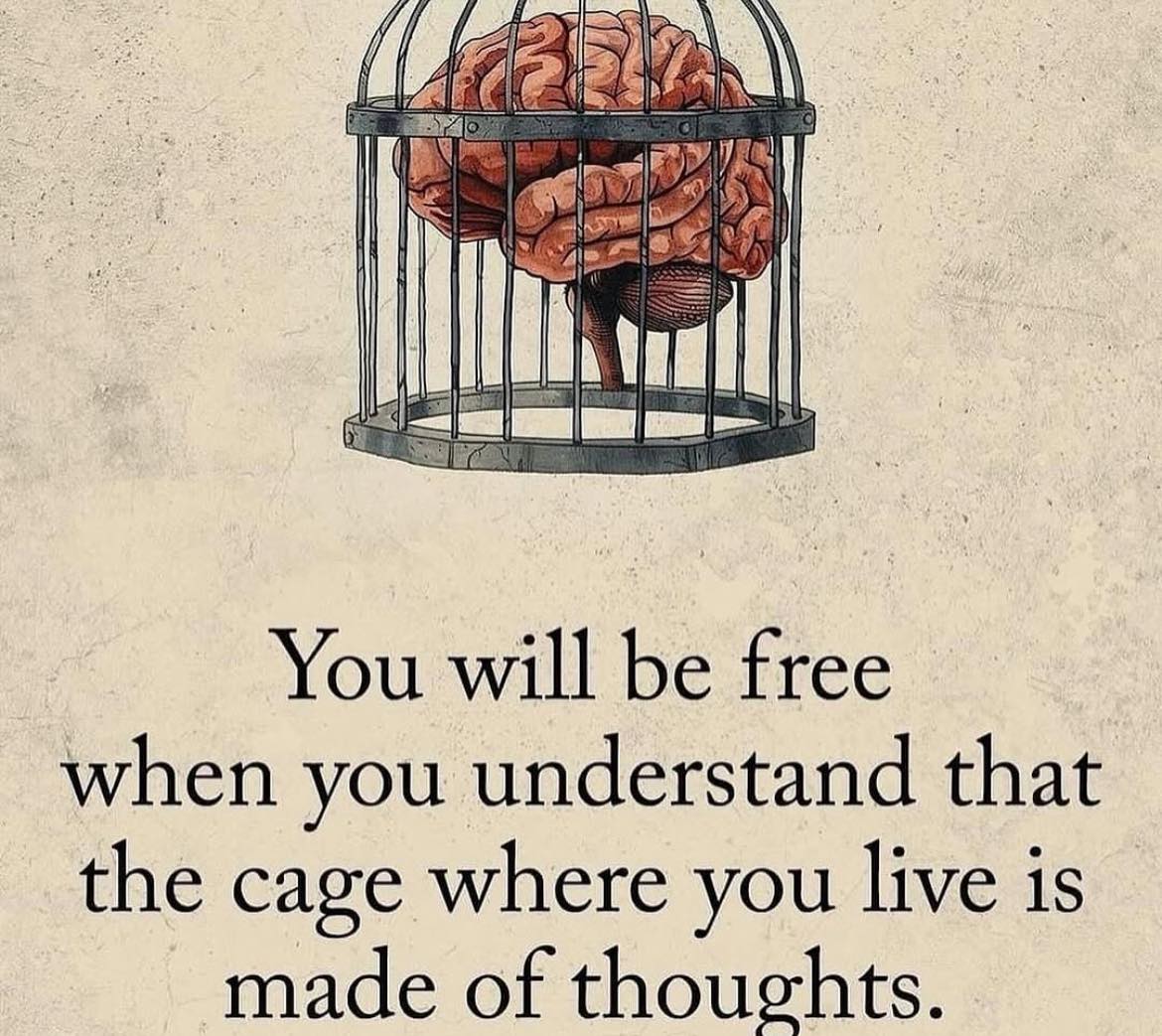
Imagine a bird,soaring freely through the sky one moment,then abruptly confined to a cage.The bars might be made of metal,but the real prison is the one that forms inside its mind.That’s a glimpse into the world of the incarcerated,where the physical walls are only the beginning of the story.We often focus on the crime,the sentence,the statistics,but rarely do we truly consider the invisible scars that incarceration leaves on the human psyche.These are the wounds that linger long after the prison gates swing open.
So,what *are* these unseen scars,and why should we care?
The Immediate Impact:A Mind in Crisis
The initial shock of incarceration can be devastating.Think about it:overnight,an individual loses their freedom,their autonomy,and often their sense of identity.This abrupt transition can trigger a cascade of mental health issues.
- Anxiety and Depression:Fear of the unknown,isolation,and the stress of navigating a harsh environment contribute to high rates of anxiety and depression among inmates.Studies have shown that inmates are significantly more prone to depression than people in the general population.
- Post-Traumatic Stress Disorder (PTSD):The prison environment can be incredibly traumatic,marked by violence,threats,and constant surveillance.This can lead to PTSD symptoms like flashbacks,nightmares,and hypervigilance,making it difficult for individuals to function normally.
- Exacerbation of Pre-Existing Conditions:Many individuals enter the prison system with pre-existing mental health issues.Incarceration often worsens these conditions due to lack of adequate treatment and the stressful environment.
The Long-Term Fallout:A Life Defined by the Cage
The impact doesn’t stop at the prison gates.The psychological scars of incarceration can cast a long shadow over an individual’s life after release,affecting their ability to reintegrate into society.
- Difficulty Adjusting to Freedom:Imagine suddenly being thrust back into a world where you have choices – what to eat,where to go,how to spend your time.For someone accustomed to the rigid structure of prison,this freedom can be overwhelming,leading to anxiety and a sense of being lost.
- Stigma and Social Isolation:Ex-offenders face significant stigma,making it difficult to find employment,housing,and even build relationships.This social isolation can further exacerbate mental health issues and increase the risk of recidivism (re-offending).
- Impaired Cognitive Function:Studies have suggested that prolonged incarceration can lead to cognitive decline,affecting memory,attention,and problem-solving abilities.This can make it difficult for individuals to succeed in education,employment,and other areas of life.
- Intergenerational Trauma:The impact of incarceration isn’t confined to the individual.Children of incarcerated parents are at higher risk of experiencing emotional and behavioral problems,academic difficulties,and involvement in the criminal justice system themselves.This cycle of trauma can perpetuate for generations.
Breaking the Cycle:Practical Solutions for Healing and Reintegration
Okay,this all sounds pretty grim,right?But the good news is,there are things we can do to help break this cycle and support the mental well-being of incarcerated individuals and those re-entering society.It requires a multi-faceted approach,focusing on prevention,treatment,and reintegration.
Here are a few practical solutions:
- Early Intervention and Mental Health Screening:Implement comprehensive mental health screening upon entry into the prison system.This allows for early identification of individuals who need support and ensures they receive appropriate treatment from the start.
- Example:The use of standardized assessment tools can help identify inmates with depression,anxiety,or PTSD.
- Increased Access to Mental Health Services:Provide access to a range of mental health services within correctional facilities,including individual therapy,group therapy,and medication management.Telehealth can be a valuable tool for reaching inmates in remote or underserved facilities.
- Example:Some prisons are now offering cognitive behavioral therapy (CBT) programs to help inmates manage anger,anxiety,and other emotional issues.
- Trauma-Informed Care:Train correctional staff on trauma-informed care principles.This involves understanding the impact of trauma on individuals and creating a safe and supportive environment that promotes healing.
- Example:Instead of simply punishing inmates for behavioral issues,staff can learn to recognize that these behaviors may be a response to past trauma and respond with empathy and support.
- Re-entry Programs with a Mental Health Focus:Develop comprehensive re-entry programs that address the mental health needs of individuals preparing for release.This can include pre-release counseling,assistance with finding housing and employment,and connections to community-based mental health services.
- Example:Some re-entry programs offer peer support groups where ex-offenders can connect with others who have similar experiences and receive encouragement and guidance.
- Reduce Stigma Through Education:Launch public awareness campaigns to educate the community about the challenges faced by ex-offenders and reduce the stigma associated with incarceration.This can help create a more welcoming and supportive environment for individuals re-entering society.
- Example:Sharing stories of ex-offenders who have successfully turned their lives around can help challenge negative stereotypes and promote empathy.
- Alternatives to Incarceration:Explore alternatives to incarceration for non-violent offenders,such as drug treatment programs,community service,and restorative justice initiatives.These alternatives can help address the underlying causes of crime and avoid the harmful effects of incarceration.
- Example:Drug courts offer individuals with substance abuse problems the opportunity to receive treatment and avoid jail time if they successfully complete the program.
Choose Your Approach:A Toolkit for Change
Not every solution fits every situation.Here’s a quick guide to help you choose the best approach:
- For policymakers:Advocate for increased funding for mental health services in correctional facilities and re-entry programs.Support legislation that promotes alternatives to incarceration for non-violent offenders.
- For correctional staff:Seek training in trauma-informed care and learn how to create a more supportive environment for inmates.
- For community members:Volunteer at a local re-entry program,donate to organizations that support ex-offenders,or simply educate yourself and others about the challenges faced by this population.
- For individuals who have been incarcerated:Seek out mental health services and support groups.Remember that you are not alone and that healing is possible.Focus on your strengths and build a support network of family,friends,and mentors.
A Future of Hope and Healing
The scars of incarceration are real,but they don’t have to define a person’s future.By acknowledging the psychological impact of imprisonment and investing in effective solutions,we can create a more just and compassionate society where everyone has the opportunity to heal,reintegrate,and thrive.The bird may have been caged,but with understanding,support,and the right resources,it can learn to fly again.It won’t be the same flight,but it can be a flight towards a brighter,more fulfilling life.Let’s work together to make that happen.The change starts with acknowledging that these invisible scars exist,and then taking action,however small,to help heal them.The time to act is now.
“`