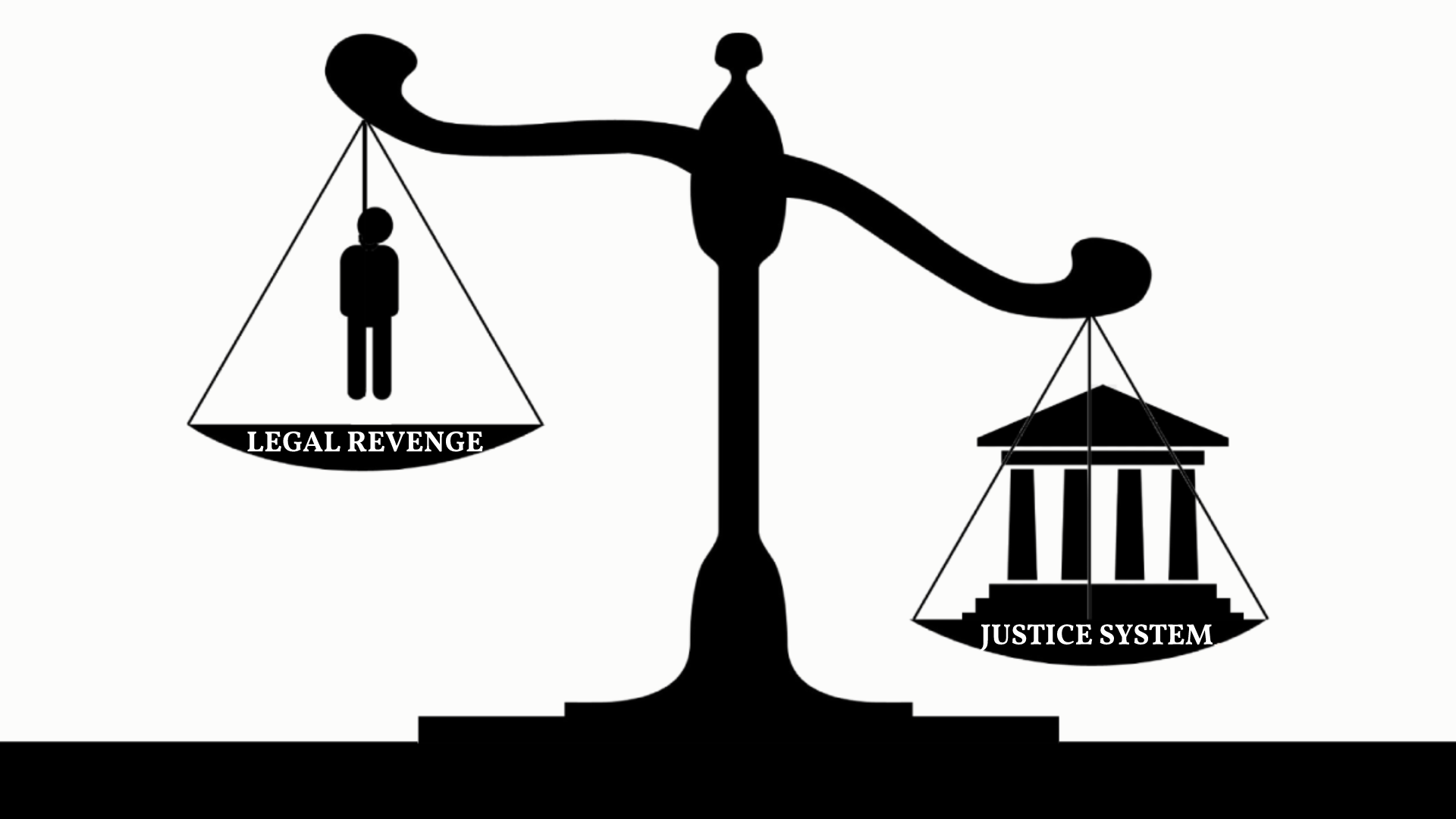
Justice: A System Broken?
Introduction
We’ve all seen it, haven’t we? Heard about it, read about it, maybe even experienced it firsthand. The feeling that something’s just…off. That the scales of justice, the ones we’re taught to believe in, are tilting a little too much. Are we just being cynical, or is there something genuinely wrong? Is justice, as we know it, a system broken?
It’s a heavy question, no doubt. But one worth asking. Because when the very foundation of fairness and equality is questioned, it impacts everything. From the way we feel safe in our neighborhoods to the opportunities available to us, the health of our justice system resonates through every aspect of our lives.
The Cracks in the Foundation
Let’s be clear: saying the system is “broken” isn’t about dismissing the hard work of countless dedicated individuals within it. It’s about acknowledging the glaring inequalities and systemic issues that plague the process. Think about it:
- Disproportionate Impact: Minority communities are arrested, convicted, and incarcerated at rates far exceeding their representation in the population. This isn’t just a statistic; it’s about lives derailed, families torn apart, and potential squandered.
- Economic Disparities: Justice often feels like a luxury item, only accessible to those who can afford high-powered lawyers and expert witnesses. If you can’t afford decent representation, your chances of a fair outcome plummet.
- Lengthy Delays & Backlogs: Cases drag on for years, leaving victims and defendants in limbo. This not only causes immense emotional distress but also strains resources and undermines faith in the system’s efficiency.
- Revolving Door of Recidivism: The system struggles to rehabilitate offenders, leading to high rates of re-offending. This is a failure for everyone – for the individual, for the community, and for the goal of a safer society.
Short-Term Pain, Long-Term Consequences
The immediate impact of these problems is obvious. Wrongful convictions ruin lives. Unfair sentencing creates resentment and fuels cycles of crime. But the long-term consequences are far more insidious.
When trust in MAHJONG222 the justice system erodes, it weakens the very fabric of society. People become less likely to cooperate with law enforcement, report crimes, or participate in civic life. This leads to a breakdown of social order, increased crime rates, and a climate of fear and distrust.
Furthermore, the economic burden of a dysfunctional justice system is staggering. We pour billions into prisons, courts, and law enforcement, yet see little return in terms of public safety or social well-being. This is money that could be invested in education, healthcare, and other vital services that address the root causes of crime.
Mending the Broken Pieces: Practical Solutions
So, what can be done? It’s not about tearing everything down and starting over. It’s about identifying the key areas that need repair and implementing practical solutions that create real, lasting change. Here are a few paths we can explore:
- Investing in Prevention: Let’s shift our focus from punishment to prevention. This means investing in early childhood education, affordable housing, job training programs, and mental health services – all factors that can significantly reduce the likelihood of criminal behavior.
- Example: The Perry Preschool Project, a longitudinal study, showed that high-quality preschool education for disadvantaged children led to lower crime rates, higher graduation rates, and increased lifetime earnings.
- Reforming Sentencing Guidelines: Mandatory minimum sentences and inflexible sentencing guidelines often lead to unjust outcomes. We need to give judges more discretion to consider individual circumstances and tailor sentences to fit the crime.
- Example: Drug courts, which offer treatment and rehabilitation instead of incarceration for non-violent drug offenders, have proven to be highly effective in reducing recidivism.
- Improving Access to Justice: Legal aid services are woefully underfunded. We need to increase funding for public defenders and legal aid organizations so that everyone, regardless of their income, has access to competent legal representation.
- Example: The Innocence Project, a non-profit legal organization, has exonerated hundreds of wrongly convicted individuals through DNA testing and other evidence. This highlights the importance of having skilled legal representation dedicated to uncovering the truth.
- Promoting Police Reform: Improving police training, accountability, and community relations is essential to building trust and reducing police misconduct.
- Example: Body-worn cameras can increase transparency and accountability, while de-escalation training can help officers avoid unnecessary uses of force.
- Restorative Justice: This approach focuses on repairing the harm caused by crime and bringing victims, offenders, and communities together to find solutions. It can be a powerful tool for healing and reconciliation.
- Example: In some communities, restorative justice circles are used to address minor offenses, allowing victims to express their feelings, offenders to take responsibility for their actions, and the community to participate in finding a resolution.
Alternative Approaches: A Toolbox for Change
These are just a few of the many solutions that could help mend our broken justice system. The key is to be open to different approaches and to tailor solutions to the specific needs of each community. Some alternative approaches include:
- Decriminalization of minor offenses: Reducing the severity of penalties for non-violent crimes like drug possession can free up resources for more serious offenses and reduce the number of people incarcerated.
- Expanding alternatives to incarceration: Programs like community service, electronic monitoring, and halfway houses can provide alternatives to traditional prison sentences.
- Investing in reentry programs: Helping formerly incarcerated individuals successfully reintegrate into society is crucial to reducing recidivism. This includes providing access to housing, jobs, education, and mental health services.
- Community-based initiatives: Empowering communities to address the root causes of crime through local initiatives can be highly effective.
The best solution, of course, is a holistic approach. It’s a multi-pronged effort that encourages collaboration between different stakeholders in the justice system and across other disciplines.
A Call to Action: Let’s Rebuild Together
The challenges facing our justice system are complex and deeply rooted. But they are not insurmountable. By acknowledging the problems, embracing practical solutions, and working together, we can create a system that is fairer, more just, and more effective.
This isn’t just about fixing a “system.” It’s about building a society where everyone has the opportunity to thrive, where justice is truly blind, and where the scales are balanced for all.
Don’t be discouraged by the size of the task. Every step, no matter how small, makes a difference. Volunteer your time, support organizations working for justice reform, advocate for change in your community.
The future of justice is not predetermined. It’s shaped by the choices we make today. Let’s choose to build a better, more equitable world, one step at a time. The power to affect change lies within each of us. Let’s use it wisely and courageously.